Exploring the hidden effects of gambling on mental health
The Psychological Impact of Gambling
The allure of gambling often masks its profound psychological effects, which can be both subtle and overt. Many individuals engage in gambling as a form of escapism, using it to temporarily alleviate stress or anxiety. However, this initial relief can morph into a dependency that complicates emotional well-being. The thrill of betting can heighten feelings of excitement, but the aftermath often includes guilt and shame, particularly after significant losses. This cycle can lead to increased anxiety levels, creating a paradox where the very activity intended for enjoyment becomes a source of distress. In this landscape, Betinia offers a way to explore gaming while being mindful of these risks.

Furthermore, the psychological effects of gambling extend beyond individual players to encompass families and communities. An individual’s gambling addiction can lead to financial instability, resulting in strained relationships and increased family conflict. Often, loved ones may feel helpless or frustrated, leading to emotional isolation. This dynamic creates a ripple effect, where the mental health issues associated with gambling proliferate through social circles, affecting not just the gambler but also those closest to them.
Moreover, the risk of developing severe mental health disorders escalates with prolonged gambling. Studies indicate that individuals who gamble frequently may be more susceptible to anxiety disorders, depression, and even substance abuse. The dopamine release triggered by winning can create a chasing mentality, where individuals continue to gamble despite negative consequences. Over time, this can lead to a host of mental health challenges that necessitate professional intervention and support.
The Link Between Gambling and Stress
Stress and gambling are intertwined in a complex relationship. For many, gambling serves as a coping mechanism to deal with everyday stressors. The temporary thrill and distraction provided by gambling can offer a sense of control and excitement. However, this relief is often short-lived, and the stress associated with financial loss can compound existing pressures. Consequently, individuals may find themselves in a vicious cycle, where gambling becomes the stressor rather than the escape. Understanding high-stakes strategies can help mitigate these risks.
The physiological effects of gambling-induced stress manifest in various ways, such as increased heart rate and heightened anxiety. These symptoms can detract from an individual’s ability to manage daily responsibilities and relationships effectively. Over time, this chronic stress can lead to serious health issues, including hypertension and heart disease, which further complicate the individual’s mental state. It illustrates that the stakes of gambling extend far beyond financial loss; they can impact an individual’s overall well-being.
Understanding this connection between stress and gambling is crucial for developing effective interventions. Mental health professionals often emphasize the importance of addressing stress management techniques alongside gambling addiction treatment. By fostering healthier coping mechanisms, individuals can break the cycle of reliance on gambling for stress relief and begin to reconstruct their mental health more holistically.
The Role of Social Isolation in Gambling Addiction
Social isolation is a pervasive issue for individuals grappling with gambling addiction. As the addiction progresses, many gamblers begin to withdraw from social interactions, often preferring to gamble alone. This isolation can exacerbate feelings of loneliness and depression, which further fuels the gambling behavior. The stigma associated with gambling can make it challenging for individuals to seek support, leading to a downward spiral in both mental health and gambling behavior.
Moreover, social isolation often limits individuals’ access to positive influences and supportive relationships. Friends and family members may distance themselves due to the gambler’s erratic behavior or financial instability. This lack of support can create a feedback loop where the gambler feels even more isolated, compounding their mental health issues. The absence of a supportive network can make it considerably harder to overcome gambling addiction, emphasizing the importance of community in recovery efforts.
Furthermore, online gambling platforms can sometimes intensify this isolation. While they provide the thrill of gaming, they often lack the social engagement found in physical casinos. This virtual environment can create a false sense of connection while deepening feelings of solitude. As such, addressing social isolation is vital in treating gambling addiction, encouraging individuals to foster connections and engage in healthier, community-based activities.
Understanding Treatment Options
Addressing the hidden effects of gambling on mental health requires a multi-faceted approach. Traditional therapy methods, such as cognitive-behavioral therapy (CBT), have proven effective in treating gambling addiction. CBT focuses on altering negative thought patterns and behaviors associated with gambling. Through this process, individuals learn to understand the triggers that lead to gambling, enabling them to develop healthier coping strategies and improve their overall mental health.
Support groups, such as Gamblers Anonymous, also play a crucial role in recovery. These groups offer individuals a safe space to share their experiences and struggles, fostering a sense of community and understanding. The shared experiences can alleviate feelings of isolation and shame, motivating individuals to remain committed to their recovery journey. Such communal support systems are invaluable in combating the mental health effects of gambling.
In addition to therapy and support groups, incorporating lifestyle changes can enhance recovery efforts. Engaging in physical activities, pursuing hobbies, and fostering social connections can provide fulfilling alternatives to gambling. A holistic approach that combines these elements not only addresses the addiction but also promotes overall mental well-being, ensuring that individuals can rebuild their lives positively.
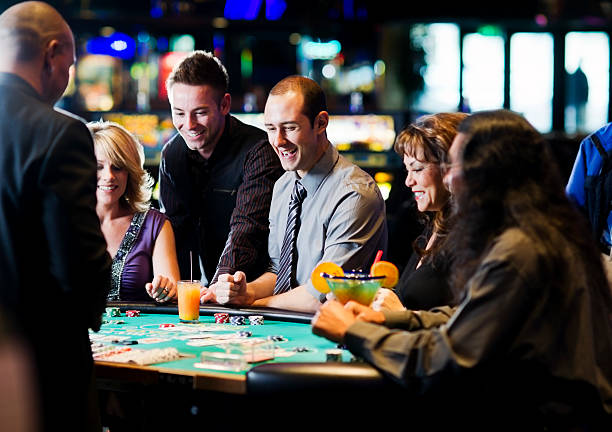
Exploring Betinia Canada as a Responsible Gaming Platform
In the realm of online gambling, platforms like Betinia Canada strive to promote responsible gaming. Offering an engaging gaming experience, Betinia focuses on player welfare by implementing measures to minimize the risks associated with gambling. These include self-exclusion options and information on responsible gambling practices. Such initiatives reflect a commitment to ensuring that gaming remains a fun and safe activity without compromising mental health.
Moreover, Betinia Canada provides resources for players seeking help for gambling-related issues. By facilitating access to support services and promoting awareness about the effects of gambling, the platform contributes to a healthier gaming environment. This emphasis on mental health sets Betinia apart, underscoring the importance of creating spaces where enjoyment does not come at the cost of psychological well-being.
Ultimately, exploring the hidden effects of gambling on mental health requires awareness, understanding, and community support. By utilizing platforms like Betinia that prioritize responsible gaming, individuals can enjoy the thrill of online casinos while taking active steps toward maintaining their mental health. Balancing enjoyment with responsibility is key to fostering a sustainable gaming experience for all players.